
It is hard to pick a season when all of them, all four of them, are alike in beauty in their own way. But if I had to pick, it would be autumn going into winter. I must admit that, with Shelley, “I love snow, and all the forms/ Of the radiant frost….” We are fortunate to live in a geographical place that has all four seasons. Yes, winter and spring can be short; summer, especially this last one, gruelingly long and desperately hot. But to live where there is only one season, like Florida’s summer-long years, or Saskatoon’s year-long snows, would not be quite the same.
Keats captures the autumn season perfectly when he writes in “To Autumn,”
Season of mists and mellow fruitfulness,
Close bosom-friend of the maturing sun;
Conspiring with him to load and bless
With fruit vines that round the thatch-eves run;
To bend with apples the moss’d cottage-eves run;
All fill all fruit with ripeness to the core.
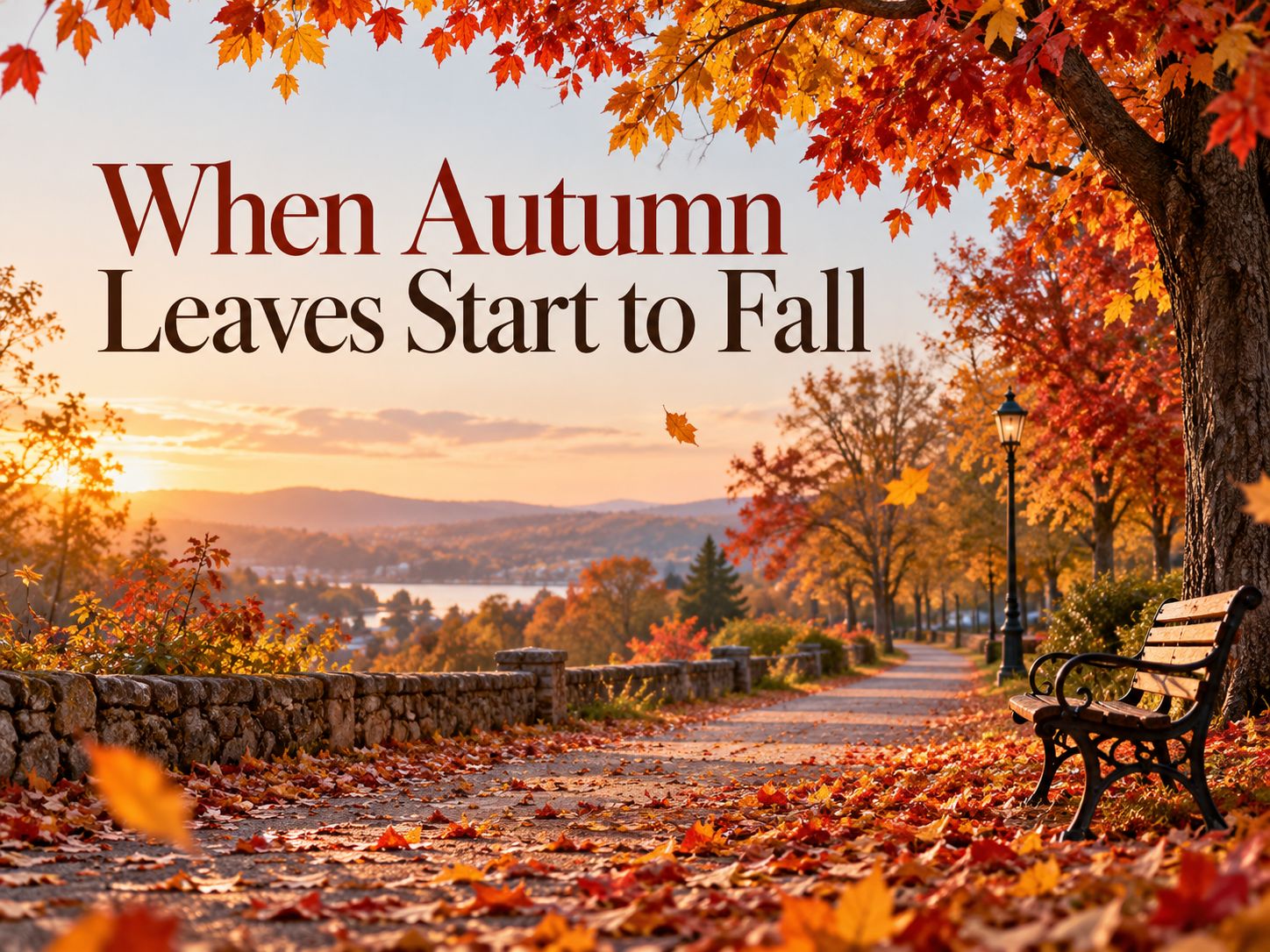
It’s hard to read this and also not smell the smoke rising from chimneys or firepits, and hot cider warming on an open fire. It almost, almost, mind you, makes the 70+ 90-degree days this summer worth the wait. Keats goes on to write, “Drowsed with the fume of poppies, while thy hook/Spares the next swath and all its twined flowers.” This is autumn, with its delightful shades of color that paint the trees as if, by the hand of God, they were taken and dipped upside down in colors of burnt sienna and burnished gold. Keats ends as robustly as he began:
Among the river sallows, borne aloft
Or sinking as the light wind lives or dies;
And full-grown lambs loud bleat from hilly bourn;
Hedge-crickets sing; and now with treble soft
The redbreast whistles from a garden-croft,
And gathering swallows twitter in the skies.
(If sallows puzzle you, it’s a low-growing, bushy tree with a yellow, willow-like complexion.) Notice the words and how they sing of autumn, crickets and birds. You can see this in your mind’s eye because, well, you’ve likely seen it if you’ve looked about in autumn.
Keats was not the only one writing about the season. Tennyson evokes it to a beautiful woman in “The Gardener’s Daughter.” “The fields between,” he writes, “Are dewy-fresh, browsed by deep-udder’d kine,/And all about the large lime feathers low,/The lime a summer home of murmurous wings.” In his poem, Tennyson is taken aback by the gardener’s daughter’s innocence and beauty, rivalled only by the untouched elegance of a lingering summer dawn. He goes on to underscore the natural and unblemished daughter with the untouched nature around him: “The cuckoo told his name to all the hills;/ The mellow ouzel fluted in the elm;/The redcap whistled; and the nightingale/Sang loud, as tho’ he were a bird of day.” For Tennyson nature has outstripped his infatuation with the young woman. This natural beauty is, as he says later, “a sight to make an old man young.” Yes, he is taken by this woman, but he is also taken in by the season: “Each garlanded with her peculiar flower/Danced into light, and died into the shade;…Her beauty grew; till Autumn brought an hour….”
I suppose if I had to pick the best rendition of this season, however, it would be Hopkins. His songs are about Christ our Lord, but he manages also to insinuate the season in them. His most familiar, “The Windhover,” is about a soaring small falcon, but it is also about the bird’s Maker. His poetry isn’t easy to understand, and it must be read aloud, like most poetry, to get the full effect of his invention: sprung rhythm. In a word, it is only stressed syllables that are counted, with many—but unnumbered—unstressed syllables in each foot. His idea was to capture in written poetry what speech sounds like. This form, which he invented or named, is very unlike the more familiar iambic pentameter, which sounds more like your heart beating than regular speech.
In any event, his capture of the season is ensconced in the last stanza of the poem: “No wonder of it: sheer plod make plough down sillion/Shine, and blue-bleak embers, ah my dear,/Fall, gall themselves, and gash gold-vermillion.”
This autumn, before it gives way to the first frosts of winter, take some time to see the joy of it all in colors that only God can paint. The wonder of it all will vellicate in a way that will make you glad you’re alive to see autumn’s glorious robes of many colors.