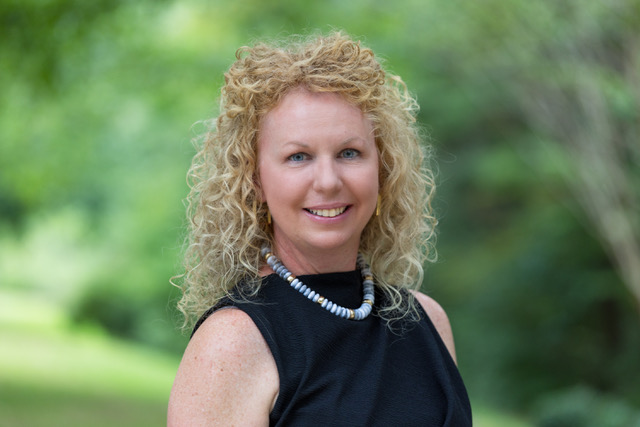

The following is an editorial received from Fort Mill School Board candidate Lipi Pratt. No changes were made prior to being made available to the public.
Larry Barnett is right about one thing: taxpayers deserve accountability for every dollar we spend. As a member of the Fort Mill School Board, I take that responsibility seriously. We must be willing to answer difficult questions about our decisions, our borrowing, and our long-term financial commitments. But we also deserve a discussion grounded in the complete financial picture, not conclusions drawn from isolated numbers.
The facts tell a more nuanced story, and I encourage residents to review them for themselves. All of the information I am sharing is available on the Fort Mill School District (FMSD) website under News, in the district’s School District Funding 101 report.
Approximately 71.9% of reported per-pupil spending goes directly to instruction and instructional support. District management accounts for just 0.5%, or approximately $74 per student. FMSD also reports the lowest per-pupil spending among York County’s four school districts. And our investments in our students pay off year after year with consistently high results.
These numbers do not mean we should stop scrutinizing expenses. They do help put concerns about administrative spending into perspective.
Enrollment projections deserve scrutiny, too. We projected 21,248 students for 2025–26, but actual enrollment was 18,229. That is a significant forecasting gap, and we owe our community a commitment to use updated projections when making future decisions. We made those predictions using a historical precedent.
Fort Mill’s enrollment grew from 5,929 students in 2002–03 to more than 18,000 today. Recent slower growth must inform our planning, but it does not automatically mean our facilities investments were unnecessary. We must also consider school-by-school capacity, building conditions, and the costs of delaying needed improvements.
We should be equally precise when discussing the March 2024 bond referendum. The $204 million figure was a maximum bond authorization—not proof that we immediately borrowed or spent the entire amount. To understand the actual cost to taxpayers, we need to examine how much has been issued, the interest expense, the remaining authorization, and the projected debt-service schedule. Those conclusions should be based on our bond records and audited financial statements, not assumptions about the maximum amount
voters authorized. Our School Board reauthorizes bonds frequently to save our taxpayers money in interest payments.
South Carolina’s funding structure is another important part of this conversation. Under Act 388, property taxes on owner-occupied homes generally do not fund school operating expenses; those school property taxes are associated with debt service. Our operating costs—including teacher compensation, benefits, transportation, utilities, and student services—are funded through a different combination of revenue. Currently, local sources provide more than 60% of our operating revenue. State funding decisions therefore have a significant impact on our ability to meet our responsibilities while protecting local taxpayers. Our Board is consistently advocating with our lawmakers to examine the new funding formulas to see how their intent to fund 75% of our operations are falling so far short.
Public participation matters, too. We should always look for ways to make our decisions and financial information more accessible. Low turnout at a referendum is an opportunity to reflect on how we engage our community, but it does not, by itself, prove that a financial decision was unsound. The measure was presented to voters, and those who participated approved it.
As a board member, I accept that we are responsible for the decisions we make. We must explain our reasoning, acknowledge when projections miss the mark, adjust when circumstances change, and remain accountable for the financial commitments we undertake. That responsibility does not end when a referendum passes or a budget is approved.
I encourage residents to visit the FMSD website and review the information available under News, including the School District Funding 101 report. Our community should ask hard questions, and we should provide clear, factual answers.
My commitment is to make decisions based on evidence, plan responsibly for our students’ needs, and treat taxpayer dollars with the care they deserve. We will not get every projection right, but we must be willing to learn, adapt, and explain our decisions honestly. Our students deserve excellent schools, our educators deserve the resources to do their jobs, and our taxpayers deserve responsible stewardship. Our decision makers should have the knowledge and expertise to do all three


Sign up here to receive the Tega Cay Sun "day" Spectator every Sunday morning with all the news from the week directly to your inbox
Thomas Hyslip lives in Tega Cay with his wife and daughter. After 27 years in the U.S. Army and Federal Law Enforcement, he retired to pursue his passion for teaching. Tom is now an Associate Professor of Instruction at the University of South Florida. In 2 short years he has won 10 awards from the South Carolina Press Association, including first place in column writing, education beat reporting and best podcast.