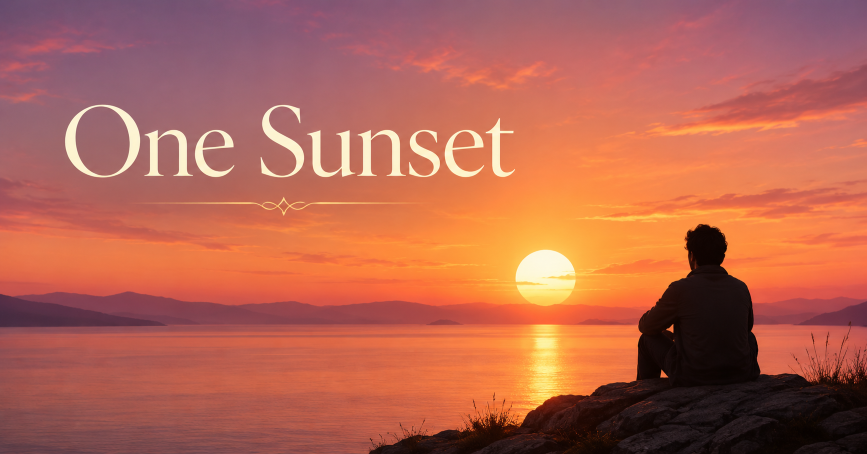

We do not often think of the things we see every day. We get up, we go about our business, and the world turns on its axis, and we are mute about it. I don’t mean that we should forever be on tenterhooks about the mundane, but surely we could take more time to think a bit longer than 140 characters, or the latest rant on Facebook, Instagram, Snapchat, or whatever will be the next social media craze. As Wordsworth had it, “The world is too much with us; late and soon,/Getting and spending, we lay waste our powers;–/Little we see in Nature that is ours….”
This is not a celebration of pantheism or, worse, even materialism, but a moment to catch a glimpse of what we may be missing. James Russell Lowell put this this way in one of his letters:
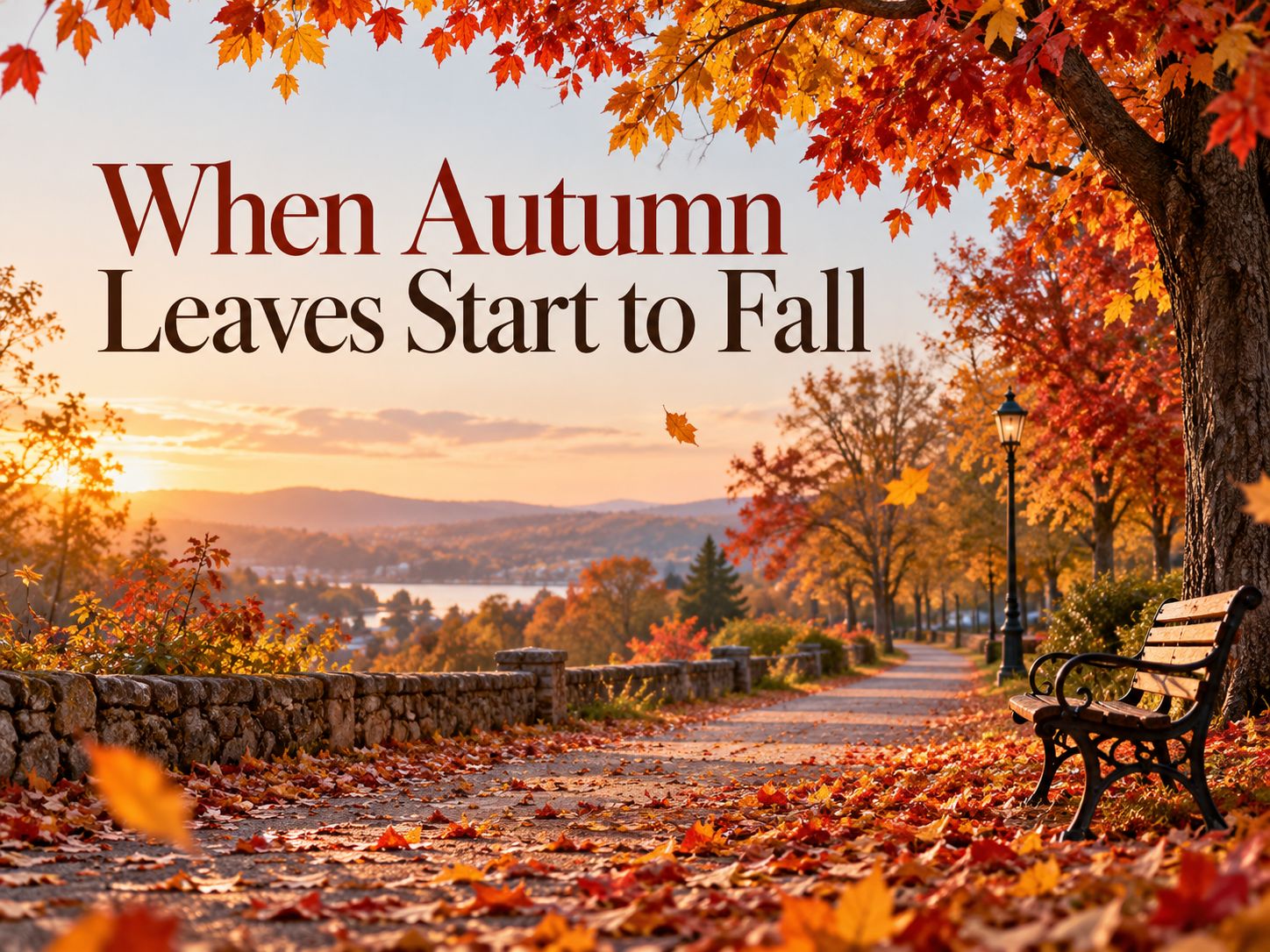
If you could see one sunset in a lifetime and were obligated to travel four thousand miles to see it, it would give you a similar sensation; but an everyday sunset does not, for we take the gifts of God as a matter of course.
Stop and reflect on that for a moment. One sunset, or one sunrise, in a lifetime. I think it would cause us to stop everything. Granted, we’d likely pull out our iPhones and make a dozen pictures or more, but surely we’d stop long enough to see what we are missing. William Blake makes a much similar point in his poem, The Everlasting Gospel:
This life’s dim windows of the soul
Distorts the Heavens from pole to pole
And leads you to Believe a Lie
When you see with, not through, the Eye.
When you think about it, that’s really us. We see dimly what is before us, and think all is well. We go on with our merry delusional lives, thinking that we need not think too much about serious matters. Sadly, that day only comes when tragedy strikes, and we are forced to see through the eyes. You would think contemplating a sunset might well bring us to this point, the point that we are wasting away our lives ‘amusing ourselves to death,’ in Neil Postman’s fine phrase.
John Dryden (1631-1700), in his adaptation of Sophocles’ classic play Oedipus, brings this to bear when he writes:
When the Sun sets shadows, that shew’d at Noon
But small, appear most long and terrible;
So, when we think Fate hovers o’er our heads
Our apprehensions shoot beyond all bounds….
The passage goes on in a more morose manner, making fun of our inability to see what’s important, instead focusing on what matters very little in life. “Each Mole-hill thought,” he writes, swells to a huge Olympus,/While we fantastic [sic] Dreamers heave and puff,/ And sweat with an Imagination’s weight.“ That is, we focus on the little things and our imaginations outrun our reason until we are flummoxed to the point of stagnation.
All of this over a sunset, eh? Okay, it is a bit much. But stopping to think about things that really matter, the hard truths of life, has always been a matter that philosophers, poets, and even theologians remind us to do. Do we do it? Perhaps. Do we do it enough? I doubt it. But it doesn’t have to be merely a sunset to remind us. Take a peek at the Scarlet Ibis (https://tinyurl.com/bddfzrpn) or the Resplendent Quetzal (https://abcbirds.org/birds/resplendent-quetzal/). We simply cannot match these by ourselves. e.e. Cummings [sic], who chose to write not only his name but his poems in lower case letters, makes a similar case, not with sunsets or sunrises, but with love. In somewhere I have never travelled, gladly beyond, he makes the case that love can move us much the same way. We are lucky to experience this, and most of us do in those heated early moments of our marriages. But time and the world’s weight freight our unions by smothering our ability to rise above them. cummings closes his poem with this reminder: ‘the voice of your eyes is deeper than all roses,/nobody, not even the rain, has such small hands.”
So, whether a sunset or a sunrise, a scarlet ibis or rekindling your love for the one you vouchsafed it to, spend some time thinking about things that are daily miracles. Think of it this way: the world is alive with a myriad of Easter eggs just waiting for you to see them. It will matter to you more than you can know.