By Debbie Wey and Gardening On The Cay
October 31 is Halloween, of course—one of the most fun holidays to celebrate in Tega Cay! But did you know that October 31 is also the average first frost date for our area? The weeks leading up to this date are the perfect time to establish fall plantings and bulbs, as well as to sow seeds outdoors for cool-season and cold-hardy plants that will grow and develop through the winter months ahead.
With our hot summers, fall planting is a great way to beat the heat and make gardening more enjoyable. For flower growers, this is the ideal time to plant varieties that are winter-hardy for our zone—classified as 8a on the USDA Plant Hardiness Zone Map. These plants can withstand our area’s coldest winter temperatures.
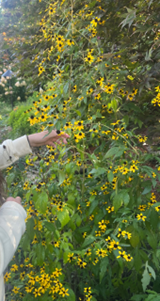 Popular cold-hardy annuals include snapdragons, stock, rudbeckia (black-eyed Susan), feverfew, Canterbury bells, and foxglove. These plants can be tricky to find at garden centers in the fall since they aren’t in bloom. For best results, start seedlings indoors a few weeks before transplanting, or directly sow the seeds into your garden.
Healthy soil is essential for success. Conducting a soil test is always a good idea to identify any nutrient needs. The Clemson Cooperative Extension Home and Garden Information website provides clear instructions on how to collect a sample and where to submit it for analysis. Amending the soil with organic matter, such as compost, also gives seedlings and seeds the best possible start.
Row covers can help protect young seedlings and plants from strong winds, heavy rain, and pests, allowing them to establish more easily and thrive through the winter. If ice or snow is in the forecast, remove the row covers first—the snow and ice will insulate the plants, while a cover weighed down by moisture can crush them. Replace the covers once the snow or ice has melted.
Although fall-planted seedlings may look small and weather-beaten above ground, they are busy developing strong root systems below. By spring, these well-established plants will take off quickly and bloom earlier, reaching their peak with vigor.
A few great bulbs to plant in the fall include daffodils, hyacinths, allium, and snowdrops—all deer-resistant varieties. Snowdrops thrive in shady spots, while the others prefer full sun. Keep in mind that while hyacinths and allium are resistant to deer and rabbits, squirrels and voles may still dig them up. Planting bulbs in small bulb cages can help protect them.
Fall is also perfect for sowing winter-hardy vegetables. Root crops such as carrots, beets, and turnips, along with leafy greens like spinach, kale, and collards, benefit from cool-season planting. Cruciferous “cole crops” like broccoli, cabbage, and cauliflower also perform well.
For more inspiration, two of my favorite resources on fall planting are Lisa Mason Ziegler’s Cool Flowers and The Cut Flower Handbook.


Sign up here to receive the Tega Cay Sun "day" Spectator every Sunday morning with all the news from the week directly to your inbox
Thomas Hyslip lives in Tega Cay with his wife and daughter. After 27 years in the U.S. Army and Federal Law Enforcement, he retired to pursue his passion for teaching. Tom is now an Associate Professor of Instruction at the University of South Florida. In 2 short years he has won 10 awards from the South Carolina Press Association, including first place in column writing, education beat reporting and best podcast.